
The fall real estate season has arrived here in Oak Park, and the numbers over the last eight years show a clear trend: autumn rarely means deep discounts for buyers. Well-priced single-family homes continue to sell, which means waiting for spring isn’t always necessary for those eager to make a move. If you’re considering buying in Oak Park this fall, it’s important to know that prices aren’t likely to drop significantly, nor will competition vanish—especially when it comes to homes that are truly move-in ready. Over the past few months, the list-to-sale price ratio has hovered around 105%. Local agents expect that number to stay close to 100% or even a bit higher this fall, although there may be fewer buyers in the mix. Sellers can still see multiple offers for homes that shine, but patience with pricing and response times is sometimes needed. If your property isn’t quite market-ready, using the fall and holiday season to prepare can be a wise move, as buyers often start returning before spring. Navigating these seasonal nuances is what I love about helping clients succeed in Oak Park’s vibrant market.
Blog
-

U.S. Housing Affordability Hits a Breaking Point
Navigating the housing market in 2026 has become increasingly challenging for many, as affordability reaches new limits nationwide. Recent data shows existing home sales remain sluggish, while new-home sales are steady and rental retention is on the rise. With median prices for both new and existing homes now over $400K and mortgage rates holding above 6%, the cost of buying a home has put real pressure on prospective buyers. Payments for a median-priced home in late 2025 were projected around $3,100 per month, requiring an income of more than $120,000—a steep climb compared to just a few years ago. Since 2020, existing-home prices have grown to nearly five times the median income. Meanwhile, affordable rental options have become even scarcer, with 7 million fewer units renting for under $1,000 and 11 million lowest-income renters competing for only 3.8 million affordable units nationwide. While state, local, and federal programs have worked to expand housing production and ease regulations, it’s clear that more support is needed to keep homeownership and quality rental options within reach. Having helped clients navigate Chicagoland’s unique neighborhoods through changing markets, I know how critical expert guidance can be in times like these.
-
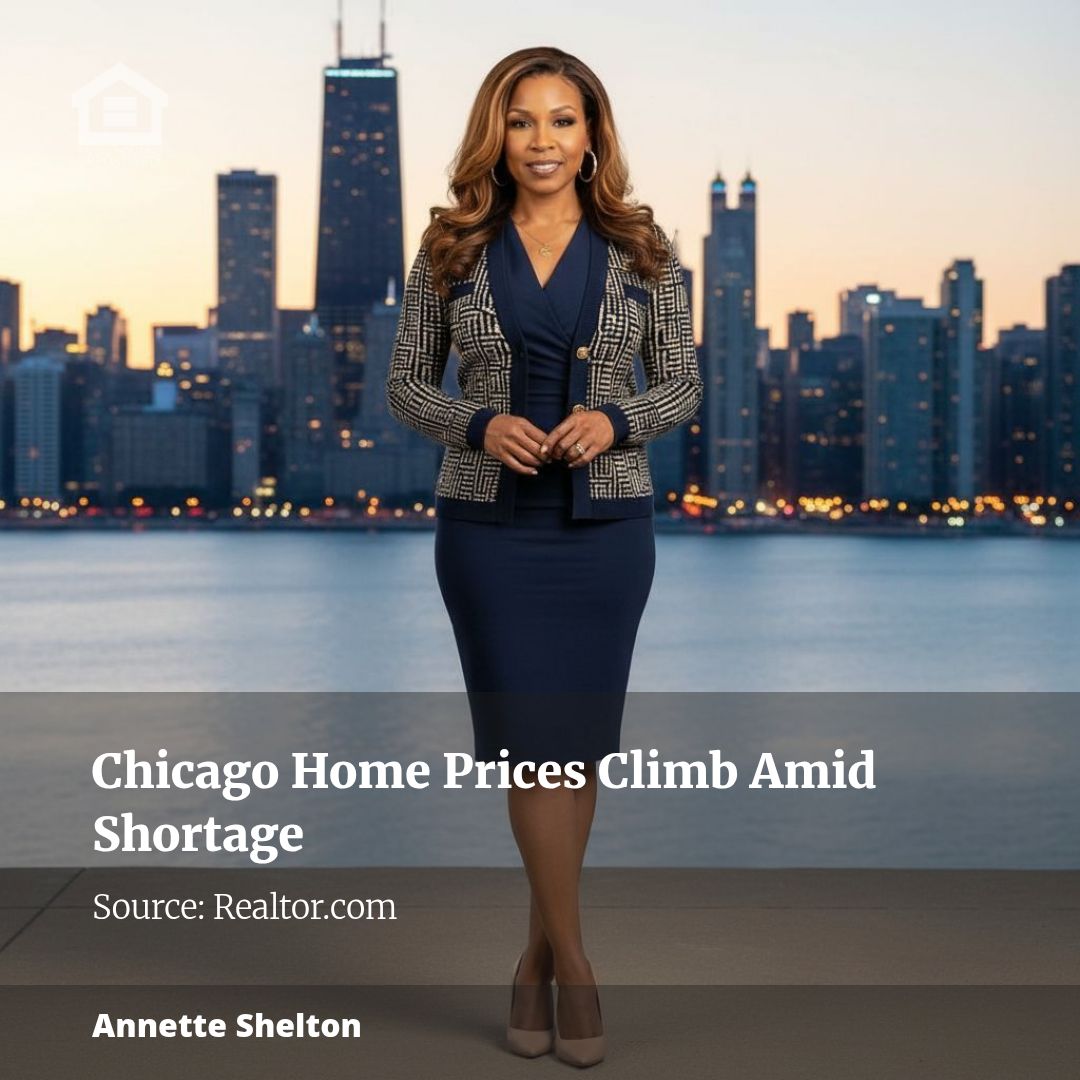
Chicago Home Prices Rise as Fewer Homes Hit the Market
In Chicagoland's ever-evolving housing market, we're seeing some noteworthy trends: active listings are down 6%, and new listings have dipped 7.5%. This tightening inventory has helped push median list prices up by 5.4%, now reaching $395,000. Homes are moving quickly, averaging just 36 days on the market—and we're seeing fewer price cuts than the national average. As someone who knows the ins and outs of Chicago’s neighborhoods, I keep a close eye on these shifts to help clients navigate their options with confidence. Whether you’re looking to buy or sell, understanding what’s happening behind the numbers is key to reaching your real estate goals.
Continue to full article -

West Loop: Chicago’s Next-Level Address
Julep West Loop offers an opportunity to experience contemporary Chicago living in a neighborhood celebrated for its restaurants, design, culture, and walkability. As you explore the community, focus on the details that matter most: floor plans, finishes, amenities, views, and how the location fits your everyday life. Chicago’s latest residential market data shows a $426,255 median sale price, up 9.3% month over month, underscoring the value of a strategic search and well-informed representation. Whether you are buying your first city residence, upgrading, or investing, a tailored plan can help you evaluate options confidently. Connect for a private tour and personalized market guidance.
Continue to full article -
United States: Home Price Growth Seen at 1.2% in 2026
Looking ahead to 2026, we’re seeing forecasts pointing to a moderate 1.2% growth in US home prices. This signals a shift toward a more balanced, buyer-friendly market—welcome news for those searching for the right fit in Chicagoland or beyond. Existing-home sales are projected at 4.10 million for 2026, up about 1% from the previous year, with momentum expected to pick up as the year goes on. Mortgage rates should hold steady in the low-6% range, while a combination of softer price growth and stronger incomes may help lower typical buyer payments by around 2% each year. Renters can also anticipate some relief, with rents forecasted to dip by about 1% as multifamily supply continues to support the market. One interesting trend to watch: although private listing networks haven’t had a major impact on sales yet, broad market visibility remains key for both buyers and sellers. I’m always keeping an eye on these shifts to help you navigate every opportunity in our ever-changing market.
-

US Mortgage Applications Stall
Mortgage application activity has been holding steady, as many buyers and refinancers are pausing to reassess their options in light of current borrowing costs. Recently, purchase applications dipped by 2% seasonally adjusted, and 3% unadjusted, while refinancing showed a modest 2% increase—making up about 42% of all mortgage activity. Larger-balance borrowers are still hesitating, and affordability concerns are leading some buyers to wait before making a move. On a brighter note, VA applications reached a share of 12.6%. With the 30-year conforming rate hovering around 7% and no rate cuts expected through 2026, patience is important for anyone navigating these decisions. As someone who guides clients through Chicagoland’s dynamic market, I know how crucial it is to stay informed and consider every opportunity carefully.
-
Home Price Growth Stalls Near 1% As Local Divide Widens
Navigating Chicagoland’s housing market means staying on top of every shift—and July was no exception. While U.S. home-price growth slowed to just about 1% year-over-year, and dipped 0.5% from the previous month due to softer demand and varying inventory, the picture is very different here at home. Chicago stood out with a 6.4% rise in prices, even as places like Austin saw a 2.9% decline. It’s also worth noting that some cities are seeing starter-home prices increase, making neighborhood expertise more valuable than ever. My commitment is to guide you through these local trends with the insight and care that define my approach to real estate in our vibrant communities.
Continue to full article -

Chicago Shoppers Browse Distant New Homes
It’s always fascinating to see how Chicagoans approach the home search—especially when it comes to newly built properties. Recent trends highlight that many buyers from Chicago are exploring new-home options beyond our metro area, reflecting a strong willingness to look for different lifestyles and opportunities in other cities. While the data didn’t share specifics on local pricing or inventory for Chicago, our city stood out as a top origin for this kind of outbound interest. As someone who navigates the ins and outs of Chicagoland real estate every day, I see firsthand how open-minded buyers are when it comes to finding the right fit—whether it’s here or a bit farther afield. If you’re exploring your options, you’re certainly not alone in casting a wide net.
-

Cook County Tax Bills Rise for Most Properties
If you own property in Cook County, you’ll want to mark September 1st on your calendar—1.8 million property tax bills are set to hit mailboxes after another delay in the usual billing cycle. For approximately 1.3 million homeowners across our communities, this means higher tax bills are on the way, and the ripple effect will also be felt by about 100,000 local businesses. As someone who helps clients navigate Chicagoland’s ever-changing real estate landscape, I know these tax shifts can raise plenty of questions and concerns. Understanding how these increases may impact your home or investment is a key part of making informed decisions in our market. If you’re looking for guidance on how these changes could affect your next move, I’m here to share my neighborhood expertise and support your goals every step of the way.
-
Chicago housing shortage pushes home prices higher
Navigating Chicagoland’s dynamic real estate market means keeping a close eye on trends—like July’s notable price increases. Chicago’s median home price jumped 13% to $425,000, leading the nation’s major cities, while suburban homes climbed nearly 7% to $401,000. With inventory down 56% since 2019, the competition for homes is fierce and properties are moving quickly. Guiding clients through these shifts, I draw on deep neighborhood expertise and a commitment to personalized service, ensuring your next move—whether buying or selling—is a smart one.
Continue to full article